x
s h r o t

Yankul Government Hospital: A Modern Healthcare Hub in Oman

Yankul Government Hospital

Oman

Yankul Government Hospital: A Modern Healthcare Hub in Oman

The Yankul Government Hospital project in Oman represents a significant advancement in healthcare infrastructure, envisioned as a comprehensive and modern facility designed to serve the community. The architectural design emphasizes functionality, patient comfort, and a harmonious integration with the Omani landscape, balancing contemporary aesthetics with practical considerations.

Architectural Elements and Design Philosophies

The design of Yankul Government Hospital showcases a thoughtful approach to creating a large-scale public building that is both efficient and aesthetically pleasing.


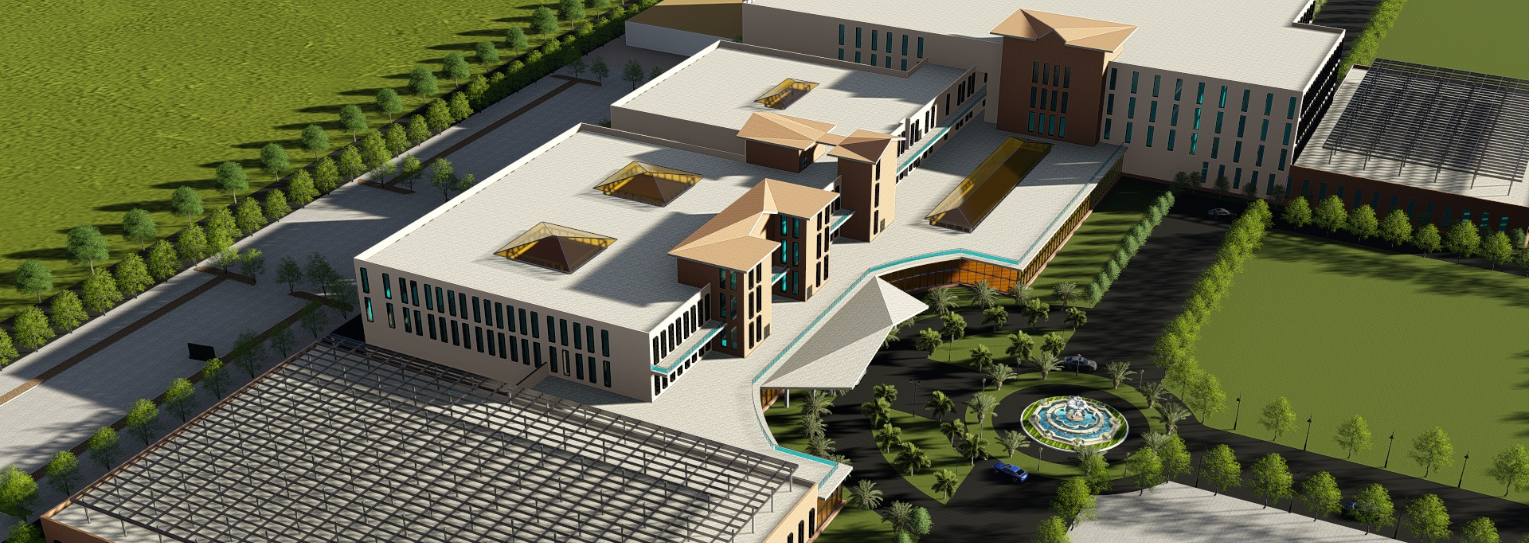
  • Modular and Expansive Layout: The hospital features a sprawling, low-rise layout, indicating a design that prioritizes accessibility and potentially future expansion. The main building comprises distinct blocks, some with multiple stories and others with single or double stories, connected to form a cohesive complex (Images a22, a23, a25, g39). This modular approach likely allows for clear departmental segregation and efficient patient flow.

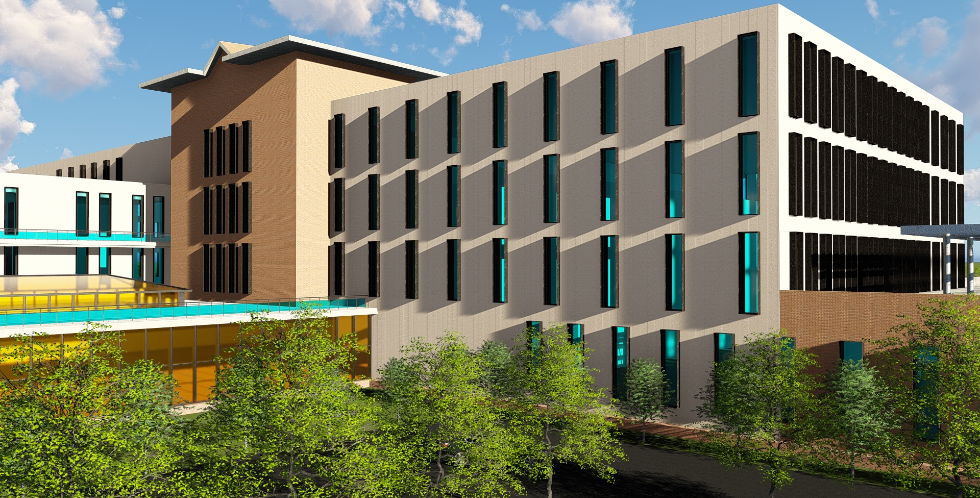
  • Contemporary Facade Treatment: The primary facades employ a clean and modern aesthetic. Large, vertical window openings with distinctive teal-colored glazing are a recurring feature, providing ample natural light to the interiors while potentially offering privacy or sun-shading through their design (Images a22, a23, a25, b14, g39). The interplay of solid wall masses, often in a light cream or off-white tone, with these vertical glazed elements creates a dynamic yet organized appearance.

  • Warmth of Terracotta and Earth Tones: A significant portion of the building, particularly the lower levels and some of the multi-story blocks, is clad in a warm terracotta or light brown material (Images a22, a23, a25, b12, b13, b14, g38, g39). This choice of material likely resonates with the regional architectural vernacular of Oman, offering a sense of warmth and belonging. It also provides a pleasing contrast to the lighter-toned and glass elements.

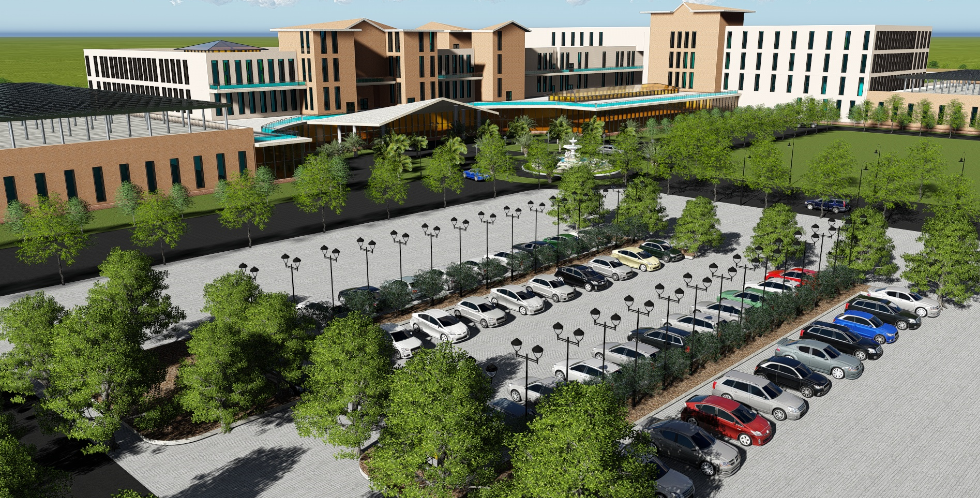
  • Grand Entrance and Arrival Experience: The main entrance appears to be a focal point, featuring sweeping, elegant canopies that provide shelter and a sense of arrival (Images b12, b13, b14, g38). A grand circular driveway with a prominent multi-tiered fountain (Image b12) enhances the welcoming ambiance, creating a distinguished approach for patients and visitors. The inclusion of numerous palm trees in the entry area further emphasizes a tropical or desert oasis feel, appropriate for the Omani context.

  • Emphasis on Green Spaces and Landscaping: Despite its large footprint, the project incorporates extensive green spaces. Large, well-maintained lawns surround the complex (Images a22, g34), providing a calming natural environment. Rows of trees line the perimeter and internal roads, contributing to shade, air quality, and visual appeal (Images a22, b12, b13, g34, g38). The thoughtful landscaping helps to soften the scale of the large building and create a healing environment.

  • Contemporary Touches: While rooted in traditional aesthetics, "Stone Age" incorporates modern design elements. Large windows and glass facades in the main building and the restaurant area (Image 2, 7, 8) allow for abundant natural light and framed views. The sleek black pergolas and railings (Image 7, 8) introduce a contemporary edge, contrasting with the rustic stone. The presence of modern vehicles (Image 2, 3) further underscores the blend of old and new.

  • Rooftop Features and Energy Considerations: Several rooftops, particularly on the lower wings, appear to be covered with what could be solar panels (Image b12, a23). This suggests a strong consideration for sustainability and energy efficiency, vital for a modern public facility in a region with abundant sunlight. Additionally, some upper levels feature open-air structures or shaded terraces, hinting at outdoor amenities or strategic design for climate control (Image a23).

  • Accessibility and Infrastructure: The renders indicate comprehensive infrastructure, including well-defined road networks, ample parking areas with lighting (Images a27, g38), and even a dedicated helipad (Image g34) for emergency services. This forethought in planning ensures efficient operations and accessibility for various modes of transport.
  • Water Features for Serenity: Beyond the main fountain, other smaller fountains or water features are visible within landscaped courtyards (Image a23), suggesting an intention to incorporate calming elements that contribute to a peaceful and therapeutic atmosphere for patients and staff.

  • In summary, the Yankul Government Hospital project demonstrates a modern yet contextually sensitive architectural approach. It aims to deliver a high-quality healthcare facility that is not only functional and efficient but also aesthetically pleasing, environmentally conscious, and deeply integrated with its Omani setting, offering a welcoming and healing environment to the community it serves.
Go To Top